
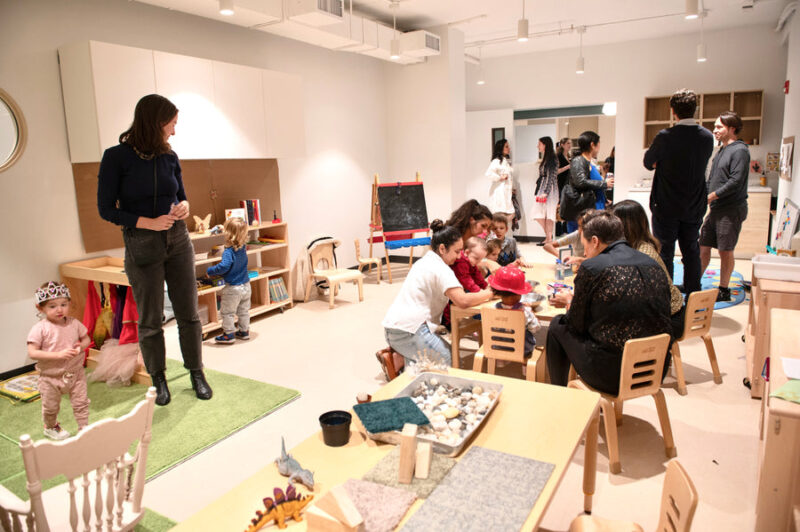
In New York City’s constantly shifting work environment, parents continue to seek flexible solutions that address both professional demands and family responsibilities. As coworking becomes a staple for freelancers, entrepreneurs, and hybrid workers, childcare options connected to these spaces are drawing more attention. Families navigating traditional daycare shortages and limited after school programs NYC increasingly look toward childcare models that emphasize cultural responsiveness, inclusivity, and emotional well-being.
The Role Of Culturally-Responsive Programming
Among the defining qualities of modern childcare integrated with coworking environments is the trend to make programs culturally responsive. Children living in a city as ethnically diverse as New York come from families representing a wide range of languages, traditions, and ways of viewing the world. In culturally responsive child care, this rich diversity is embraced and embedded into daily activities.
Instead of taking a standardized approach to the curriculum, this reflects and honors the cultural identities of the children and their families. Teachers can incorporate stories, songs, art, and celebrations that reflect the diversity present within the classroom. Such a feeling of belonging helps children to understand that their culture is something of value. For working parents, especially those who rely on coworking spaces for flexible schedules, this type of programming means their child’s environment reflects the same kind of inclusivity expected from their workplaces.
Strong Partnerships With Local Schools
Another characteristic that separates intentional childcare providers from the traditional model is strong and intentional school partnerships. These partnerships—whether with nearby public schools, charter schools, or independent learning communities—support more seamless transitions for children as they grow.
Such collaboration may include regular communications between the educators in child care and school teachers, sharing of appropriate learning practices across ages, or aligning social-emotional frameworks. While using coworking spaces, moms and dads are, in most cases, managing intricate and overlapping schedules that include their professional, personal, and academic lives. The childcare that is linked via school partnerships may be a means of guaranteeing a child’s growth through more seamless transitions from early childhood education to formal schooling.

The bonds formed through these relationships are good for the kids as they provide the kids with the feeling of security and also that they can expect certain things, which are very important elements of early learning. Moreover, the communication with parents regarding the requirements as their kids near kindergarten or elementary school becomes much easier, and the level of anxiety that a system known for its competitiveness and diversity brings is reduced.
Welcoming All Families And Backgrounds
More and more, NYC’s childcare landscape is realizing the importance of affirming all family structures: single parents, blended families, LGBTQ+ parents, immigrant households, and guardians taking on non-traditional caregiving roles. Coworking environments often attract parents with unconventional work hours or nonlinear career paths, making inclusivity not optional, but essential.
Inclusive childcare settings are very deliberate about the language they use, the stories they tell, and the activities they plan. Rather than presenting a narrow idea of what a family “should” look like, these programs normalize a range of experiences. Doing so helps children develop empathy and social awareness while reducing biases from an early age. This inclusivity for parents means that they do not have to explain or justify their family structure, something that is often emotionally exhausting in less accepting environments.
Embedding Empathy, Learning, And Joy Into Daily Care
What really sets childcare combined with coworking spaces apart, however, is the philosophy behind it. Instead of just providing a supervisory role for the children, these programs aim at creating an environment based on empathy, learning, and fun. This means fostering curiosity, guiding emotional regulation, and helping children explore and build confidence through play. Educators trained in empathetic communication can guide children through big emotions, model respectful interactions, and create classrooms where kindness is practiced daily.
Parents working in nearby coworking areas benefit from knowing that their child’s development is rooted not only in academic readiness but in emotional strength-an increasingly valued skill in both childhood and adulthood. As NYC continues to adjust to new models of work, childcare options that incorporate cultural responsiveness, school partnerships, inclusivity, and emotional well-being become increasingly important.
These approaches offer something deeper than convenience to families; they offer community, continuity, and care reflecting the complexity of modern family life. For many parents, especially those coordinating work hours with school schedules or after school programs in NYC, these values help shape a more supportive and sustainable childcare ecosystem.